
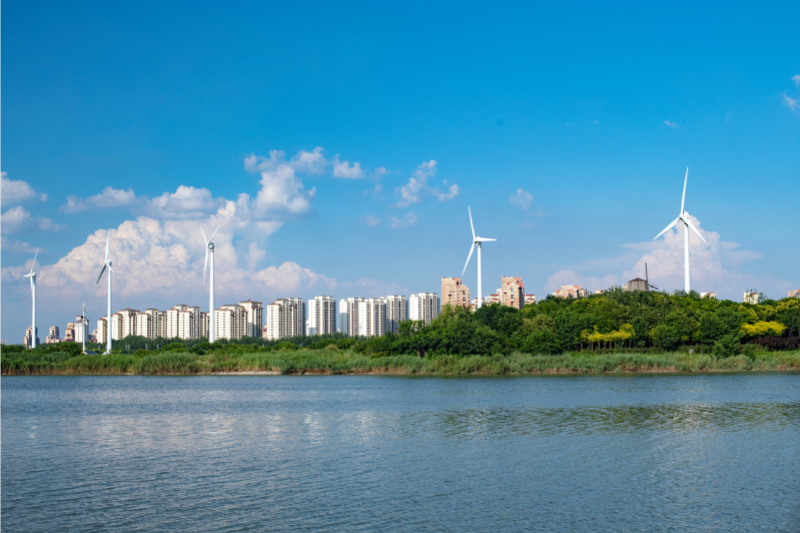
The Public Administration can play an active role in promoting and supporting the realization of the REC, e.g. by making public buildings and sites available for the construction of production plants and/or by bringing its own existing plants into the REC.
All plants for the production of energy from renewable sources can be brought into an Energy Community:
- wind, solar, thermal and photovoltaic, and geothermal,
- tidal, wave and other forms of marine energy,
- hydropower,
- from biomass, landfill gas, sewage treatment process gas and biogas.
Although setting up an REC is a complex process, as CISA we are specialized in supporting Municipalities. In particular, we are at their side in:
- defining the boundaries and general aims of the Energy Community;
- determining which local energy sources to involve, beyond PV;
- survey and identify the areas or sites where production plants are to be built;
- define which other actors to call upon or involve as producers;
- build a pre-feasibility project and related economic framework;
- identify the type of technical and/or economic-financial partner for the definition of the technical project and financing sources;
- prepare the procedure and documentation for awarding the tender;
- seek the adhesion of other producers and consumers in the area;
- set up the legal entity of the Energy Community and define the governance model to be applied;
- identify sources of funding, public or private, to realize the investment and prepare the application for participation in eligible funding calls;
- carry out the reporting and monitoring activities required by the funding calls;
- identify possible expansions and branches towards the development of an integrated territorial energy project (DETI).
We consider the RECs to be a strategic tool, useful for all parties involved, and conferring multiple benefits:
- (a) for the Administration:
- reduction of the weight of electricity bills in the budget (especially if combined with the upgrading of buildings and the development of electrification of the consumption of municipal buildings);
- valorisation of surplus electricity through incentives; valorisation of local energy sources;
- reduction of the carbon footprint;
- b) for REC members:
- economic = incentives and discount on tariff components;
- environmental = reduction of CO2 emissions;
- social = actions on situations of energy shortage (energy poverty of disadvantaged households) or, in the case of PA, actions to help fragile individuals thanks to the availability of new funds; economic valorisation of the territory; possible incentive to repopulate abandoned areas; involvement of citizens.